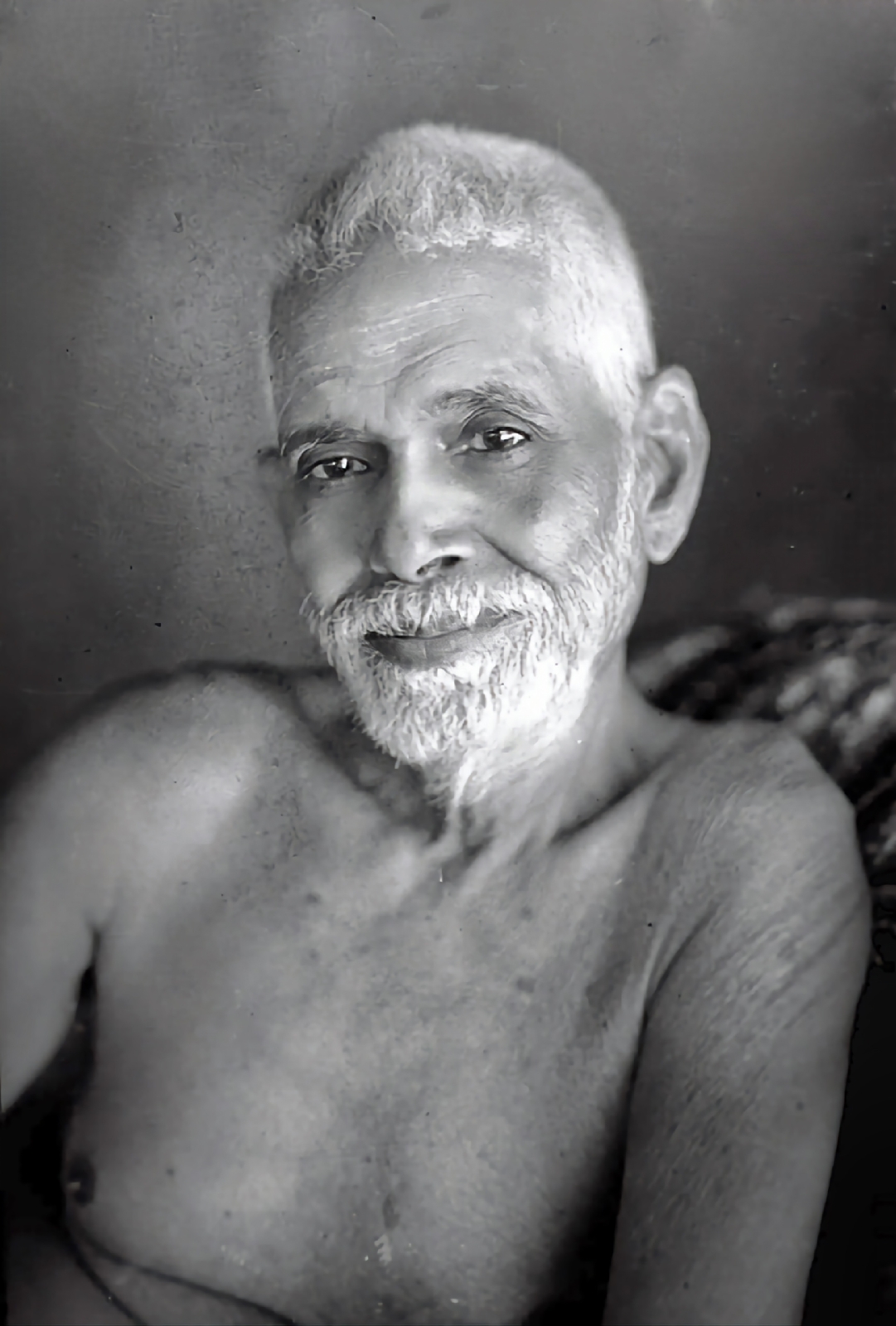
The profound statement, "...true artists scorn nothing: they are obliged to understand rather than to judge," resonates deeply with the essence of Albert Camus's literary ethos.
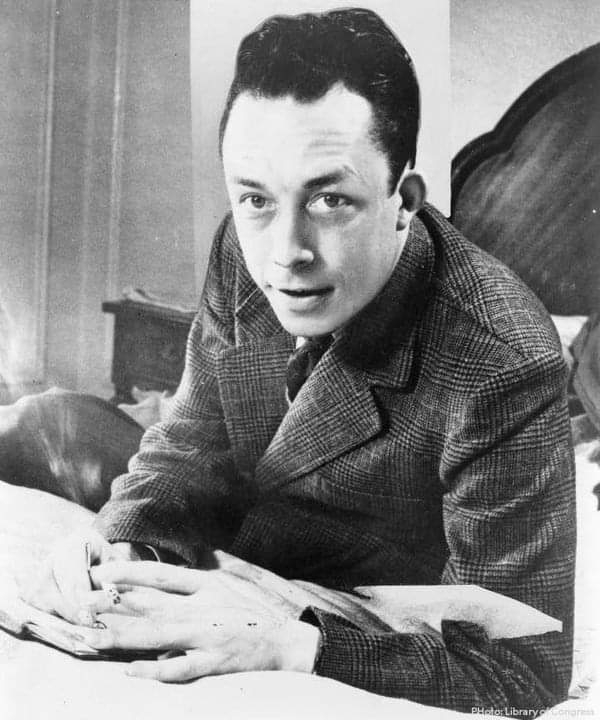
The profound statement, "...true artists scorn nothing: they are obliged to understand rather than to judge," resonates deeply with the essence of Albert Camus's literary ethos. This ethos, a beacon of existential thought, underpins his debut novel, 'The Stranger,' and permeates his entire body of work.
Albert Camus, a paragon of existential and absurdist philosophy, embarked on his literary journey at the tender age of 20 with 'The Stranger.' This novel, a masterpiece in its own right, is not just a story; it's an introspective journey into the human condition, delving into the depths of existential absurdity. Camus challenges his readers to confront the stark realities of existence, to embrace the absurd, and to find meaning in a seemingly meaningless world.
'The Stranger' and Camus's subsequent works echo the sentiment that true art transcends mere judgment; it seeks to understand, to empathize, and to connect on a profound level. Camus’s protagonist, Meursault, is not a character to be judged but understood. His indifference, his emotional detachment, and his existential crisis are not just elements of a story but a mirror reflecting the absurdity of life itself.
Camus's achievement in literature was recognized when he was awarded the Nobel Prize in Literature in 1957, making him the second youngest laureate at that time. This accolade was a testament not just to his literary prowess but to the impact of his philosophical insights on the world. His writings compel us to confront our own existential dilemmas, to question the nature of our existence, and to seek understanding in a universe that often appears indifferent.
Albert Camus, through his literary and philosophical contributions, exemplifies the true spirit of an artist as described in the quote. His works do not scorn but seek to understand the intricate tapestry of human existence, prompting us to explore the depths of our own consciousness and our place in this absurd world. Camus's legacy is a testament to the power of literature to transcend mere storytelling and become a medium for profound existential exploration.