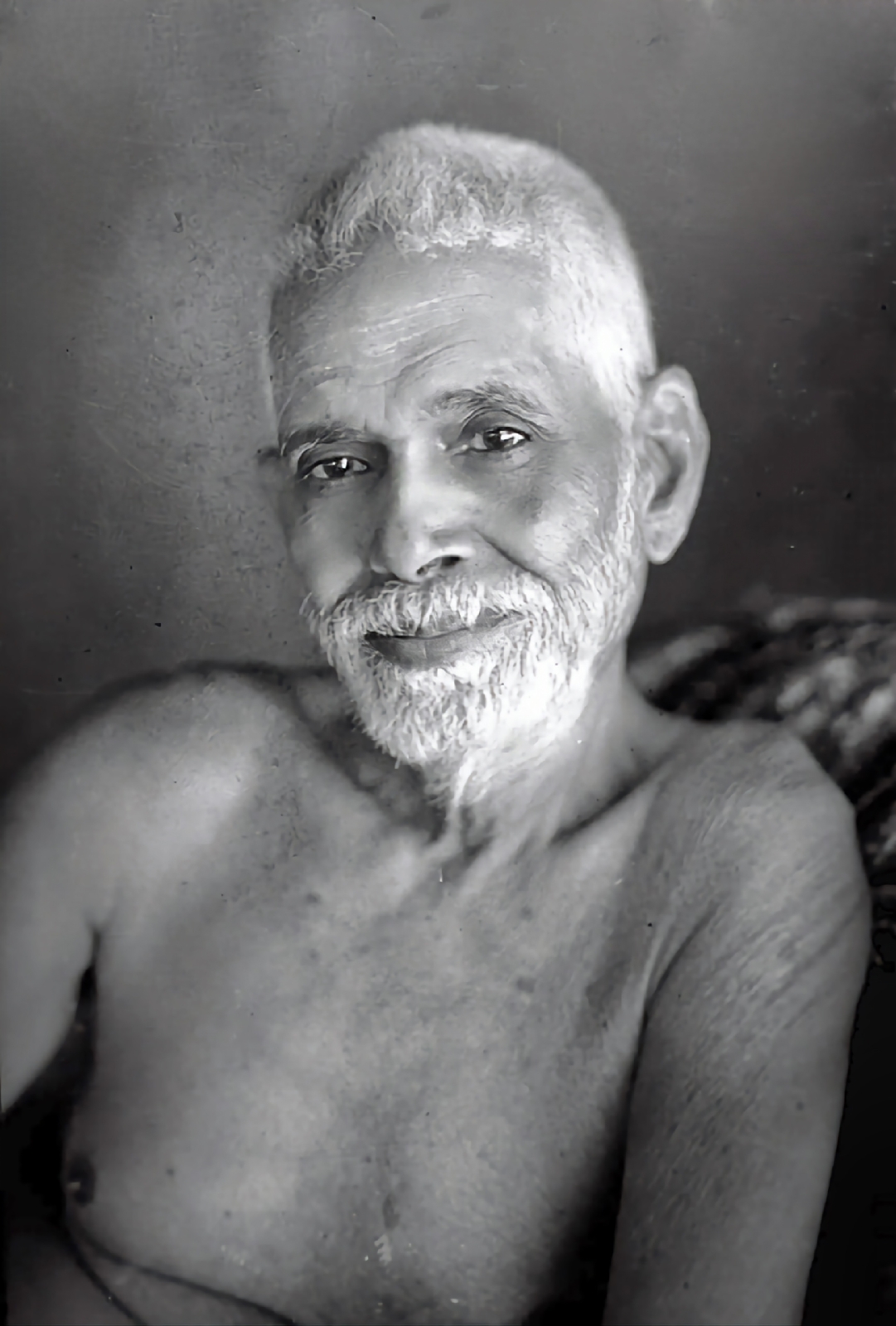
The quote by Epictetus, "If you are ever tempted to look for outside approval, realize that you have compromised your integrity. If you need a witness, be your own," speaks volumes about the intrinsic value of self-reliance and the pitfalls of seeking validation from external sources.

The quote by Epictetus, "If you are ever tempted to look for outside approval, realize that you have compromised your integrity. If you need a witness, be your own," speaks volumes about the intrinsic value of self-reliance and the pitfalls of seeking validation from external sources. This Stoic philosophy emphasizes the strength of character over the fickleness of external affirmation.
At its core, the quote challenges us to introspect and question the very nature of our desires for external approval. Are we seeking validation for our actions, our looks, or our thoughts? Epictetus prompts a confrontation with an uncomfortable truth: the moment we step outside ourselves for approval, we betray our own values, integrity, and, ultimately, our authenticity.
The quote isn't just about self-reliance; it is a clarion call to self-witness. To be one's own witness is to be fully present in one's own life, to take responsibility for one's choices, and to own the consequences with courage and dignity. It is about being accountable to oneself, living by principles that are not swayed by the changing tides of societal opinions or trends.
The quest for external approval is an admission of one's reliance on the world's fickle opinions. It is a form of existential outsourcing, where we hand over the reins of our self-esteem to the hands of others, making it contingent upon their perceptions and judgments. This is the antithesis of what Epictetus stands for. The Stoic sage believed in an unwavering commitment to one's own moral and ethical standards, regardless of external validation.
In modern society, where social media often dictates our self-worth through likes, shares, and comments, Epictetus's wisdom is profoundly counter-cultural. It urges a return to the internal, to a space where calmness resides, and where the only approval that matters is the kind that is self-given.
To witness oneself is not to be in solitude but to be in profound company. It is to forge an unbreakable bond with oneself, to cultivate a sense of self that is robust, resilient, and deeply anchored in truth. It is to live a life of purpose, where the only audience that matters is the one that resides within.
Epictetus's quote is not just a reflection; it is a roadmap to personal liberation. It is a reminder that the most profound witness to our lives is our own conscience, our own soul. It is an invocation to live a life of such integrity and authenticity that the need for external witnesses becomes obsolete. In being our own witness, we become the authors of our own lives, writing a story that needs no external validation to be deemed a masterpiece.