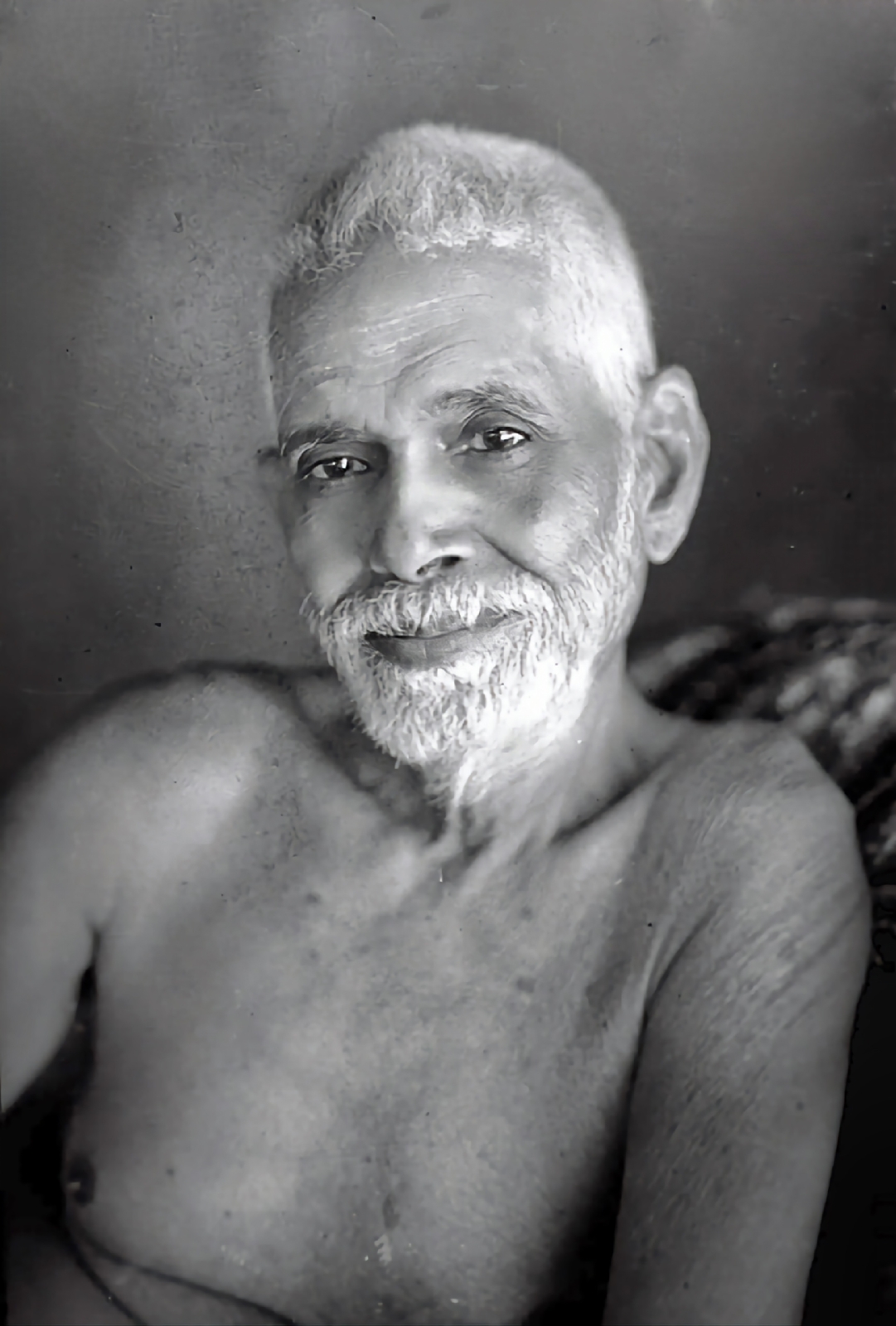
Pier Paolo Pasolini (1922-1975) was an Italian film director, poet, writer, and intellectual, who remains one of the most controversial and provocative artists in post-war Italy.

Pier Paolo Pasolini (1922-1975) was an Italian film director, poet, writer, and intellectual, who remains one of the most controversial and provocative artists in post-war Italy. Born in Bologna, Pasolini's early life was marked by his family's displacement during World War II, which greatly influenced his outlook and writings. He studied literature and art history at the University of Bologna, showcasing his deep-rooted interest in culture and humanities early on.
Pasolini's career spanned various creative fields, including poetry, novel writing, film directing, and political commentary, making him a multifaceted figure in Italian cultural history. His early poetry, such as "Poesie a Casarsa" (1942), reflected his fascination with Friulian dialects and regional cultures, setting the stage for his lifelong commitment to blending linguistic investigation with social critique.
Moving to Rome in the 1950s, Pasolini's focus shifted towards the urban underclass, which he explored through novels like "Ragazzi di vita" (1955), depicting the lives of Rome's marginalized youth. This theme of societal marginalization continued in his film work, beginning with "Accattone" (1961), which challenged mainstream cinema with its raw portrayal of poverty and desperation.
Pasolini's filmography is distinguished by its daring exploration of taboo subjects, blending myth, history, and contemporary life in works like "The Gospel According to Matthew" (1964), "Teorema" (1968), and the controversial "Salò, or the 120 Days of Sodom" (1975). His films often critiqued consumer culture, the degradation of values in modern society, and the oppression by political and religious institutions, employing a style that was both poetic and brutally realistic.
As a public intellectual, Pasolini was involved in political activism, openly criticizing Italy's post-war consumerist boom and the corruption within the government and the Christian Democratic Party. His writings in newspapers and magazines were as provocative as his films, often leading to public debates and legal challenges.
Pasolini's untimely and violent death in 1975, under mysterious circumstances, has been a subject of speculation and research, with theories ranging from a simple homicide to a politically motivated assassination. His death marked the end of an era but also cemented his status as a martyr-like figure in the cultural and political discourse of Italy.
Pasolini's legacy is complex and multifaceted. He is celebrated for his fearless critique of power, his innovative use of language and form, and his exploration of sexual and social taboos. His work continues to influence filmmakers, writers, and artists worldwide, inviting new interpretations and discussions about the role of the artist in society. Pasolini's life and work encapsulate the turmoil and transformations of 20th-century Italy, making him an enduring symbol of intellectual resistance and artistic courage.