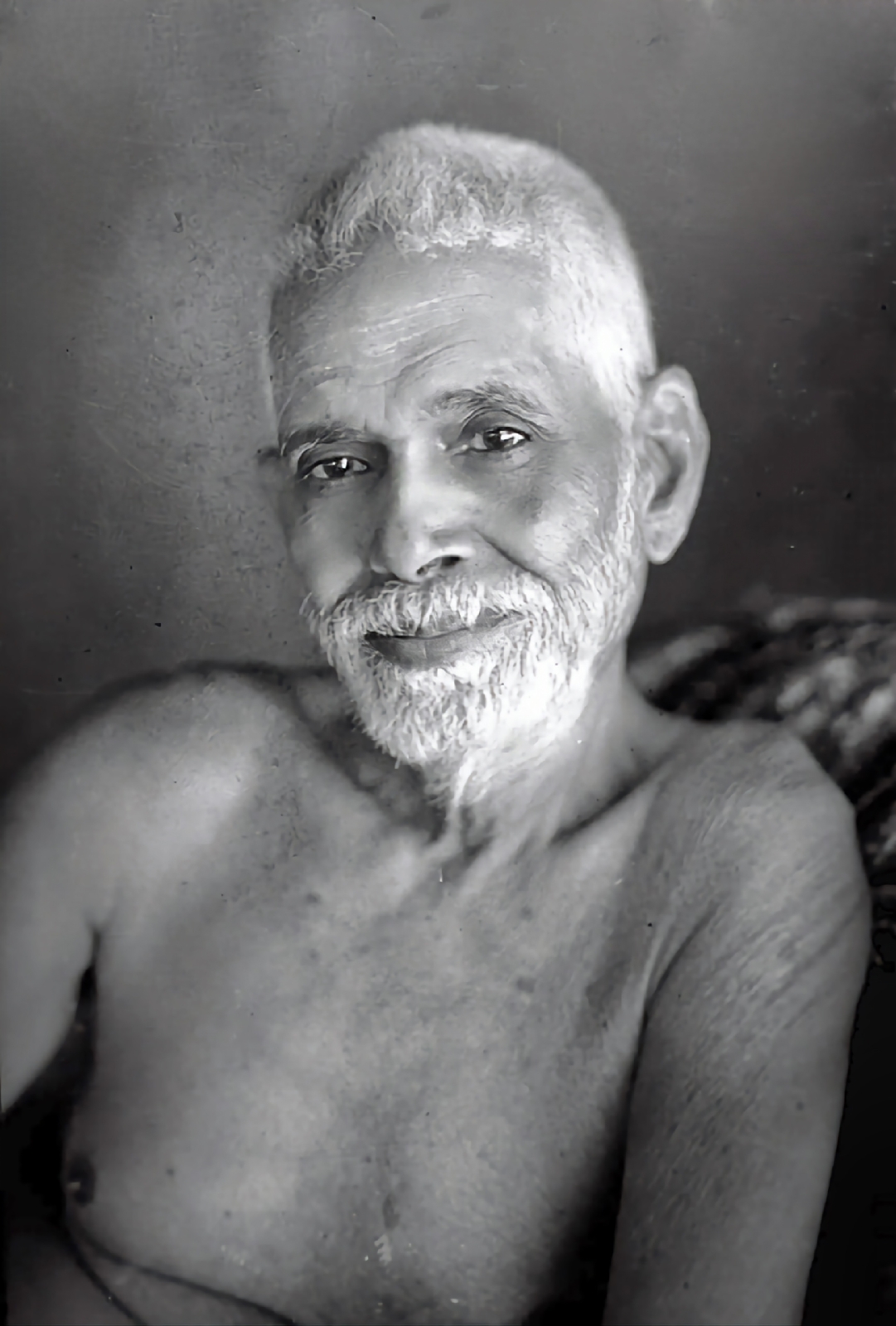
Today marks the 144th birth anniversary of Sri Ramana Maharshi, an emblematic figure in the spiritual landscape of India and a beacon of enlightenment in philosophy. Born on 30th December 1879 as Venkataraman Iyer in Tamil Nadu, his journey to spiritual awakening is as profound as it is inspirational. His early life in the village of Tiruchuzhi was unremarkable until a pivotal moment at the age of 16. In 1896, he experienced a profound "death-experience," a moment of existential clarity that unveiled to him the essence of his true "I" or "self." This experience was not just a revelation but a transformation, leading him to identify this force with Shiva, a principal deity in Hinduism. This awakening compelled him to leave his uncle's home in Madurai and travel to the sacred hill of Arunachala in Tiruvannamalai. Here, he adopted the life of a Sannyasi, a renunciate seeking spiritual liberation. Although he never underwent formal initiation, ...
The quote "If you want a new idea, read an old book," attributed to Ivan Pavlov, a Russian physiologist known for his work in classical conditioning, encapsulates a profound truth about the nature of creativity and innovation. This statement, simple yet profound, serves as a reminder of the cyclical nature of knowledge and the hidden treasures within the annals of history. At its core, this quote challenges the modern predisposition toward valuing the new over the old, the novel over the established. In an era dominated by the relentless pursuit of innovation and the next big thing, Pavlov's words invite us to pause and reconsider the sources from which truly transformative ideas emerge. It suggests that within the pages of old books—texts that have weathered the sands of time—lies a wealth of knowledge, perspectives, and insights that have the potential to inspire and catalyze new thoughts in contemporary contexts. Reading an old book is akin to engaging in a...
The quote in the image is attributed to Fernando Pessoa, a Portuguese poet, writer, literary critic, translator, publisher, and philosopher, often considered one of the most significant literary figures of the 20th century. The quote reads: "I bear the wounds of all the battles I avoided." This quote encapsulates a profound and somewhat paradoxical truth. It speaks to the inner conflicts and the regrets one might have about the actions not taken or words not spoken. Pessoa's words suggest that there is a cost to avoidance, a psychological and emotional toll that comes from shying away from challenges, confrontations, or difficult decisions. Avoidance can be a defense mechanism, a way to protect oneself from immediate pain or discomfort. However, Pessoa's quote hints at the long-term consequences of such avoidance: the accumulation of wounds from battles never fought. These are not physical scars but mental and emotional ones—regrets, what-ifs, and reflecti...